
For snow-sports and cycling product programs
Custom Sports Helmets
Develop ski or cycling helmets around the intended sport, user, construction, size range, destination market and applicable standard. Safety requirements come before styling and bulk planning.
The project gate
Five items to define before helmet design is approved
A helmet is approved against a specific product specification and target requirement. A company-level certificate is not a substitute for product-specific evidence.
- 01
Intended sport
Skiing, snowboarding, road cycling, mountain bike, commuter or another defined use.
- 02
Target user
Adult or youth, head-shape direction, size range and fit-system requirements.
- 03
Destination market
Country or region, sales channel, required language and applicable helmet standard.
- 04
Construction
Shell, impact liner, retention system, padding, ventilation and accessories.
- 05
Test & approval plan
Required samples, laboratory route, reports, labels and production reference.
01 路 Snow sportsSki helmets
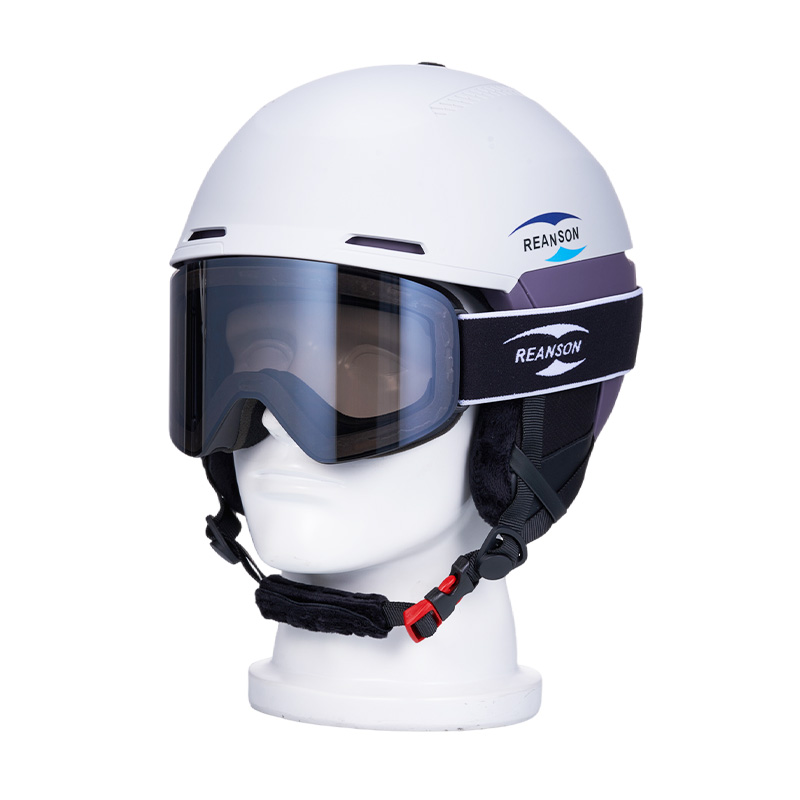
Plan the helmet and goggles as a system
Review shell and liner construction, size range, ventilation, fit adjustment, ear and comfort components, goggle retainer and compatibility with the intended ski goggles.
- Adult or youth sizing direction
- Goggle gap, strap path and retainer
- Vent and liner configuration
- Visor direction on selected models
- Market-specific standard and labeling
02 路 CyclingCycling helmets
Match coverage, ventilation and fit to the ride
Start with road, mountain bike, commuter or broader cycling use. Then review construction, coverage, fit adjustment, retention, ventilation, visor or accessory needs and eyewear compatibility.
- Road, MTB or commuter direction
- Head coverage and size grading
- Fit system and chin-strap details
- Visor, reflective or light-mount direction where available
- Market-specific standard and labeling
Specification checklist
Confirm every safety-related component
Material and construction choices must match the approved design, testing plan and production controls.
Outer shell
Material, coverage, thickness direction, vents, finish and interface with other components.
Impact liner
Material, density, geometry and connection to the shell for the approved model.
Retention & fit
Straps, buckle, dividers, dial or other adjustment components and size range.
Comfort components
Padding, liner, ear coverage where applicable, removal and care instructions.
Labels & packaging
Required markings, warnings, instructions, traceability and destination-market languages.
Market & standards
Specify the destination before selecting the test route
Buyers may encounter requirements such as EN 1077 or ASTM F2040 for snow-sports helmets, and CPSC, EN 1078 or AS/NZS 2063 for cycling helmets. These are examples鈥攏ot a claim that every Reanson model currently complies.
The current edition, product scope, test laboratory, report holder, validity, labeling and market acceptance must be confirmed for the exact helmet project.
Customization
Brand presentation follows the approved safety specification
Colors, graphics and packaging can be planned after the model, construction, fit and market route are clear. Structural changes may require new tooling and testing.
Project route
Separate cosmetic customization from structural development.
Commercial starting points
Samples and safety approval come before bulk
Size combinations, testing, tooling and production timing need to be confirmed for the helmet project.
Custom samples
No fixed sample quantity
Request the number required for fit, specification and test planning. Price varies by sample type and customization.
Custom-color samples usually require more than two weeks.Tooling and formal test samples may follow separate schedules.
Bulk production
500 pieces per model, per color
Each color meets the minimum separately. Size breakdown must be confirmed for the order. Bulk production normally takes 45鈥?0 days.
The final schedule is confirmed for the specific order.Testing, tooling, samples and shipping are planned separately.
Buyer questions
Helmet project FAQ
Which helmet categories does Reanson offer?
The current range includes ski and snow-sports helmets as well as cycling helmets. Confirm current models, size ranges and destination-market suitability during project review.
Can one helmet be marketed for several sports?
Only if the product design, testing, certification and labeling support each intended use and market. A ski-helmet claim should not automatically be applied to a cycling helmet, or vice versa.
Can helmet colors, logos and packaging be customized?
Yes, these directions can be reviewed for an existing model. Changes to the structure, vents, coverage or safety-related components may require additional tooling and testing.
How should certifications be checked?
Confirm the exact model, sport, destination market, applicable standard edition, laboratory report, report holder, validity and required product markings. Company-level certifications do not replace product evidence.
What are the bulk MOQ and lead time?
The bulk starting point is 500 pieces per model, per color, with normal bulk production of 45鈥?0 days. Size breakdown, samples, testing and tooling are confirmed separately.
Helmet inquiry
Start with the sport, user and destination market
Send the helmet category, intended use, target market, required standard, size range, model or reference, quantity per color and timing.

